A different question before the first cup
Choosing coffee does not always begin with a flavor you want to discover. Sometimes it starts with a question about the product itself: where did the beans come from, what does the label mean, and how much of the story can you check? Lifeboost built its identity around that kind of curiosity.
In a 2022 first-person account published by Inc., Charles Livingston says he launched Lifeboost in March 2015 after a Nicaraguan coffee farmer sent him beans. His response to that sample became the starting point for a brand.
A sample is a small object with an open future. Before anyone orders a finished product, someone has to decide whether a first encounter is worth pursuing. The origin of a business can be that modest: a package arrives, someone tries what is inside, and a conversation becomes work.
The founder’s official story identifies him as a chiropractic physician and describes the brand’s interest in sourcing and its TrustPure process. That background explains its positioning. It does not turn a coffee product into a treatment or establish how your body will respond.
The business needed more than one source of beans
In the same Inc. account, Livingston describes a supply interruption in 2017. He wrote down the attributes he needed, found another supplier and later retained the original farm too. A business dependent on one source had developed another route forward.
The useful part of that change is the move from a single promising package to a repeatable set of requirements. A product business needs to explain what it is trying to preserve when circumstances change. Otherwise, the first successful sample remains a memory rather than a basis for the next order.
For a buyer, the question runs in the other direction. You do not need to know every operational decision to choose a bag, but you should be able to identify the product in front of you. A sourcing story gives context; the current label tells you the format, quantity and particular presentation.
This is also why a long brand history cannot substitute for reading a listing. Suppliers, names and packaging can evolve. The relevant question is what the company currently says about the coffee you are considering, and what evidence accompanies those statements.
TrustPure is the brand’s process, not a medical result
Lifeboost uses TrustPure as the name for its sourcing and processing approach. Its third-party testing page says selected coffee samples are screened by Light Labs for substances including mycotoxins, pesticides and heavy metals, alongside other quality markers.
That is useful information to examine, with its scope intact. Testing a sample is not the same statement as guaranteeing that every possible substance is absent from every bag. If testing is important to your decision, look for the product, sample date, laboratory methods, reported results and detection limits that apply.
A phrase such as tested should lead to a more specific question: tested for what, using which method and on which sample? Reading a result in that context is more informative than treating a large number of screening targets as a score for personal health.
We therefore attribute the testing description to Lifeboost and link its explanation. This article does not certify a retail batch or label other coffees unsafe. It helps you locate the information the company presents and distinguish that information from a promise it cannot make about your individual experience.
Does low-acid coffee mean it will not upset your stomach?
Low acid is part of Lifeboost’s product positioning. It should not be read as a guarantee of comfort or a treatment for reflux. A founder’s reported experience can explain why a business began; it cannot predict the result for everyone who buys the product.
The National Institute of Diabetes and Digestive and Kidney Diseases notes that some people with GERD find particular foods or drinks trigger symptoms, and lists coffee and other caffeine sources among commonly linked items. Individual triggers matter.
If stomach symptoms are the reason you are choosing a coffee, discuss your situation with a health professional rather than using a product description as a treatment plan. We do not recommend continuing a drink that causes you discomfort simply because its package says low acid.
For shopping, separate the questions you can answer from the ones a label cannot settle. You can identify roast, ground or whole-bean format, decaffeinated status and package size. A low-acid statement alone does not tell you how you will feel after drinking it.
Medium Roast ground coffee: the 12 oz option
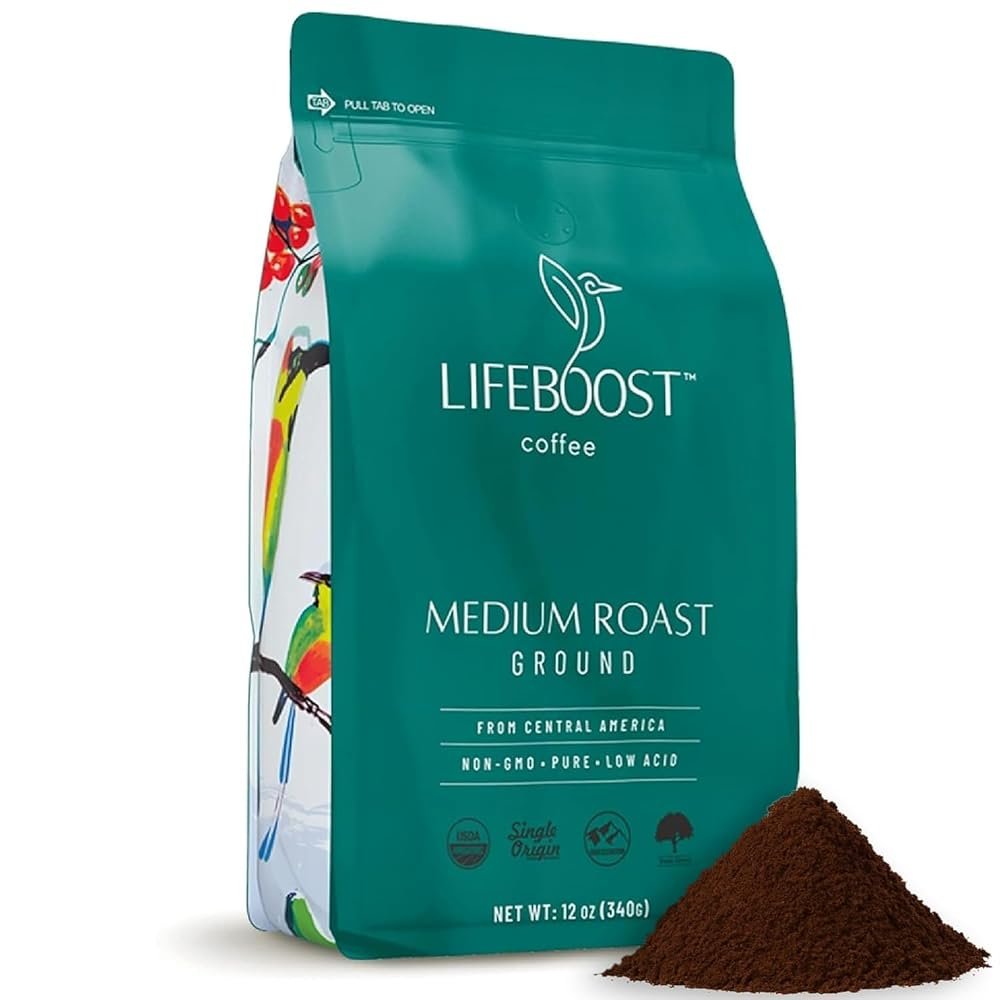
The first Snapmart entry is Lifeboost Medium Roast low-acid ground coffee, 12 oz, listed as certified organic. It may interest someone exploring this brand who already uses a suitable brewing method and wants coffee without a separate grinding step.
The manufacturer’s current medium-roast page uses the Grata name. The Amazon catalog entry linked here uses Medium Roast. Do not assume a name or package redesign makes every listing identical; confirm the selected product, size and ground format before buying.
View Medium Roast ground coffee at Snapmart View the 12 oz ground listing on Amazon ↗
A medium-roast label identifies a roast category, not a precise caffeine measurement. This entry is not the decaf option discussed below. If caffeine is part of your choice, verify the specific presentation rather than inferring it from the roast name or the color of the bag.
Decaf whole beans: the other 12 oz option
The second entry is Lifeboost decaf whole-bean coffee, 12 oz, identified in the catalog as Swiss Water processed and organic. The pictured package says Decaf Medium Bean. It is a different preparation format from the ground bag above.
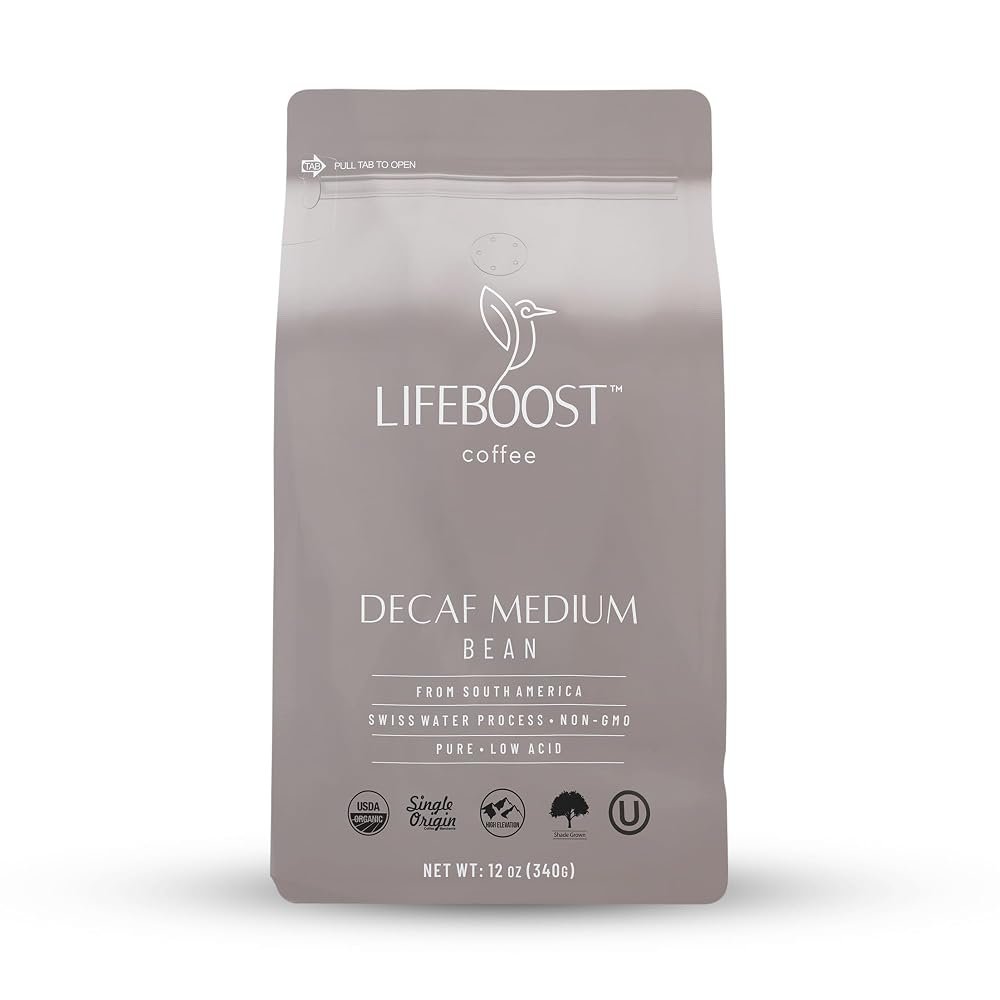
Choose this format only if grinding fits your routine. Whole beans require a grinder suitable for the preparation you intend to use. Do not put beans into equipment designed only for ground coffee, and do not treat a whole-bean bag as a capsule refill without consulting the equipment instructions.
The official decaf page describes Swiss Water decaffeination and a 12 oz size. Decaffeinated status and low-acid positioning answer different questions. Neither should be interpreted here as a guarantee that the coffee will not trigger symptoms.
View the decaf whole beans at Snapmart View the 12 oz decaf listing on Amazon ↗
Begin with the preparation you can actually use
The most practical comparison between these two bags is not which story sounds more appealing. It is whether you want ground coffee or beans to grind, and whether you are looking for the decaf presentation. Both list 12 oz, but those shared ounces do not make them duplicate products.
For a first preparation, follow your equipment’s instructions and the package guidance. Measure coffee and water where the method allows it. That gives you a reference you can repeat without pretending that one recipe suits every machine.
If espresso is your goal, read our guide to making espresso at home. A general ground-coffee listing does not establish the grind your portafilter requires. Our coffee machine catalog can help you consider equipment separately.
Quantity matters too. Think about how often you brew and whether the coffee is shared. We do not invent a cost per cup, a discount or a guaranteed freshness period. Check the current Amazon price and presentation when you are ready to compare purchase options.
Questions before buying Lifeboost coffee
Are low acid and decaf the same thing? No. In this guide, low acid describes the brand’s positioning; decaf identifies the specific decaffeinated entry.
Are both bags ground coffee? No. The medium-roast entry is ground; the decaf entry is whole bean. Check your equipment before choosing.
Does testing prove digestive benefits? A chemical screening description does not establish a clinical benefit for a person. This article makes no claim that Lifeboost prevents or treats stomach symptoms.
Where do you pay? Purchases and payments are completed on Amazon. Review seller, availability, variation, price, shipping and returns there.
The next chapter belongs to your routine
The origin story begins with a bag sent by a farmer and a business idea. The supply challenge added a question about continuity. For you, the next useful step is choosing a product whose format and information you understand.
If Lifeboost matches what you are looking for, explore the medium-roast ground bag at Snapmart or review the decaf beans above. You can then check the 12 oz ground presentation on Amazon before deciding. A cup starts with a small gesture: opening the bag you chose with your own routine in mind.
A note on the featured bag. Medium Roast ground coffee in 12 oz makes the choice specific. The format removes the grinding step, while the size gives you an amount to compare with your consumption. Low acid is a product description to examine, rather than a personal outcome to assume. Confirm the package and current listing before ordering, including the organic identification if that matters to you. The story explains why Lifeboost exists; those details help you decide whether this particular bag belongs beside your brewer.
Sources and related reading
- Inc., March 2022: Livingston’s first-person account of the origin and supply interruption.
- Lifeboost: founder and brand positioning.
- Lifeboost: third-party testing description.
- Lifeboost: current medium-roast page.
- Lifeboost: medium decaf product information.
- NIDDK: diet and individual GERD triggers.
More stories: Tim Hortons and all our coffee guides.
This article provides documented history and buying information, without personal testing, invented ratings or guaranteed health outcomes. Product details can change. Purchases are completed on Amazon.